
The Incredible Feminist

Illustrating a Digital Museum Exhibition in 1970s Protest Art Style
Museum of the Riverina is a multi-award-winning cultural institution operating across two sites on Wiradjuri Country in Wagga Wagga. For this project, they were doing something new: a fully digital exhibition, built to travel beyond the museum walls and reach audiences anywhere.
The Incredible Feminist of Wagga Wagga is a fictionalised retelling of the foundational years of the Wagga Wagga Women's Health Centre, 1979 to 1986. In 1979, a small group of Wagga women began questioning the invisible structures shaping their lives, and what started as quiet conversations grew into a movement. They challenged institutional barriers, confronted stigma around women's health, and carved out a space that was truly their own.
The Challenge
This history was nearly fifty years old and held in analogue media: archives, posters, books, and handmade publications. The museum's job was to make it live for an online audience, including people who would never set foot in a regional museum, and generations who weren't born when the centre opened its doors.
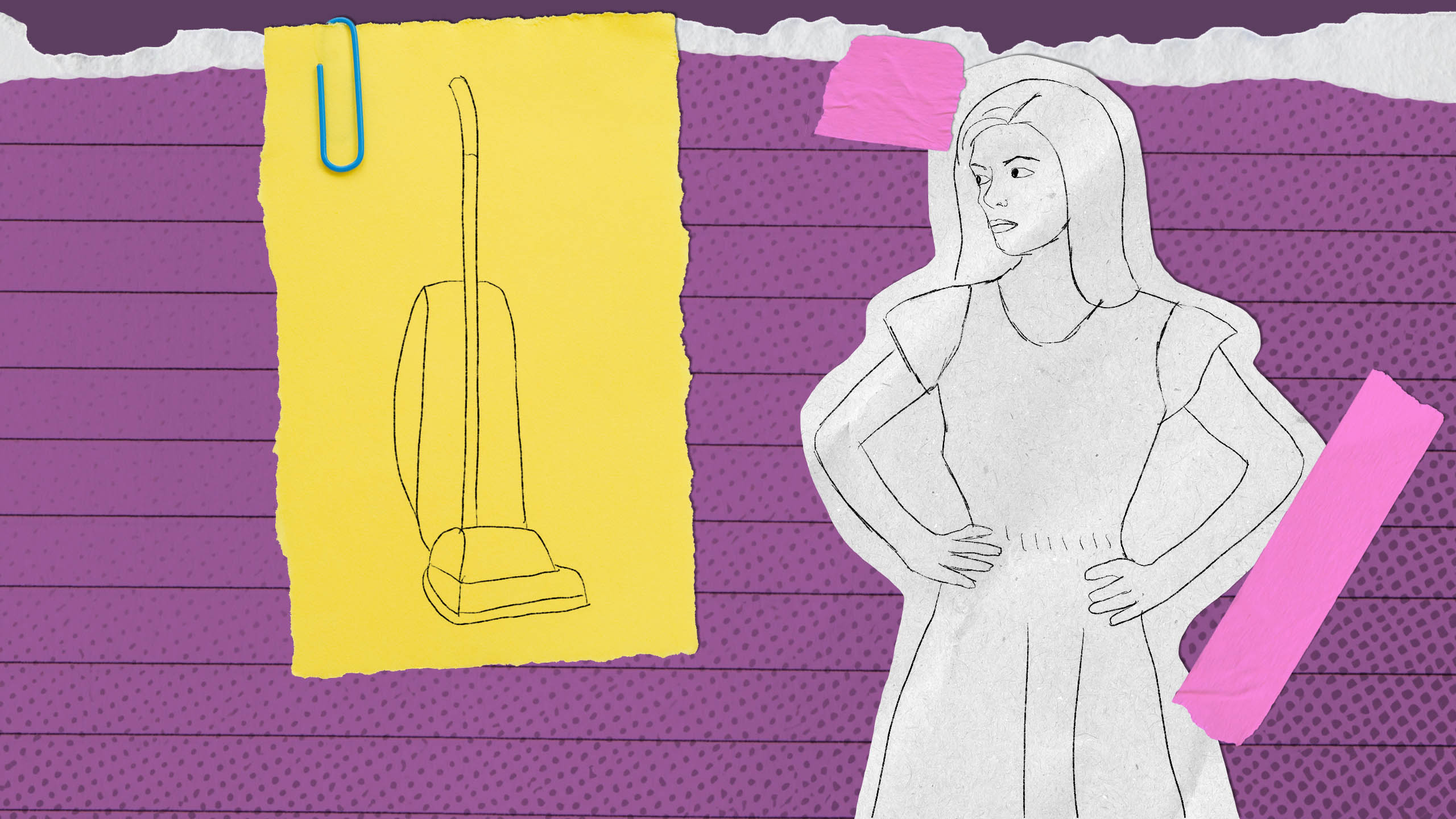
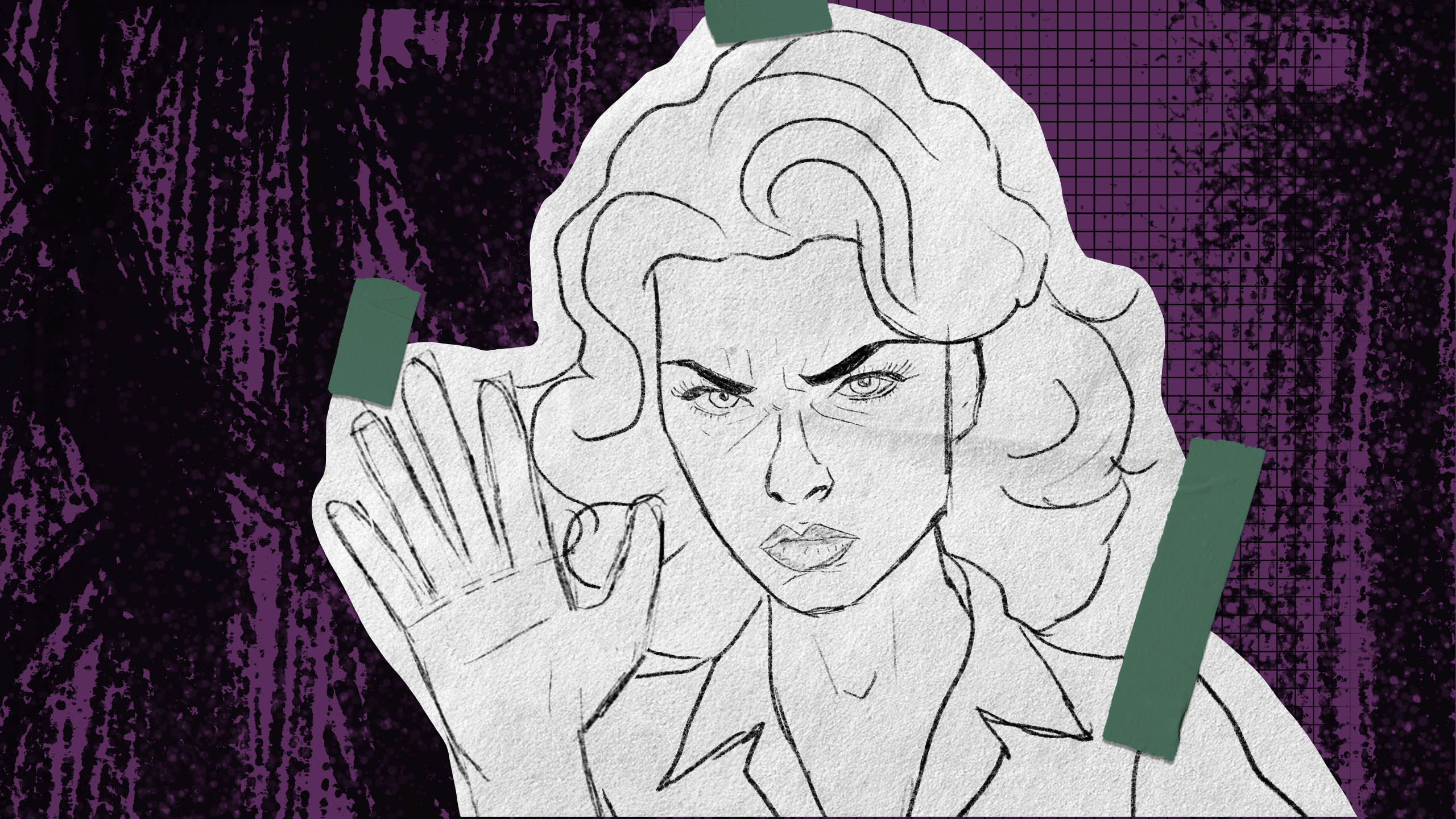
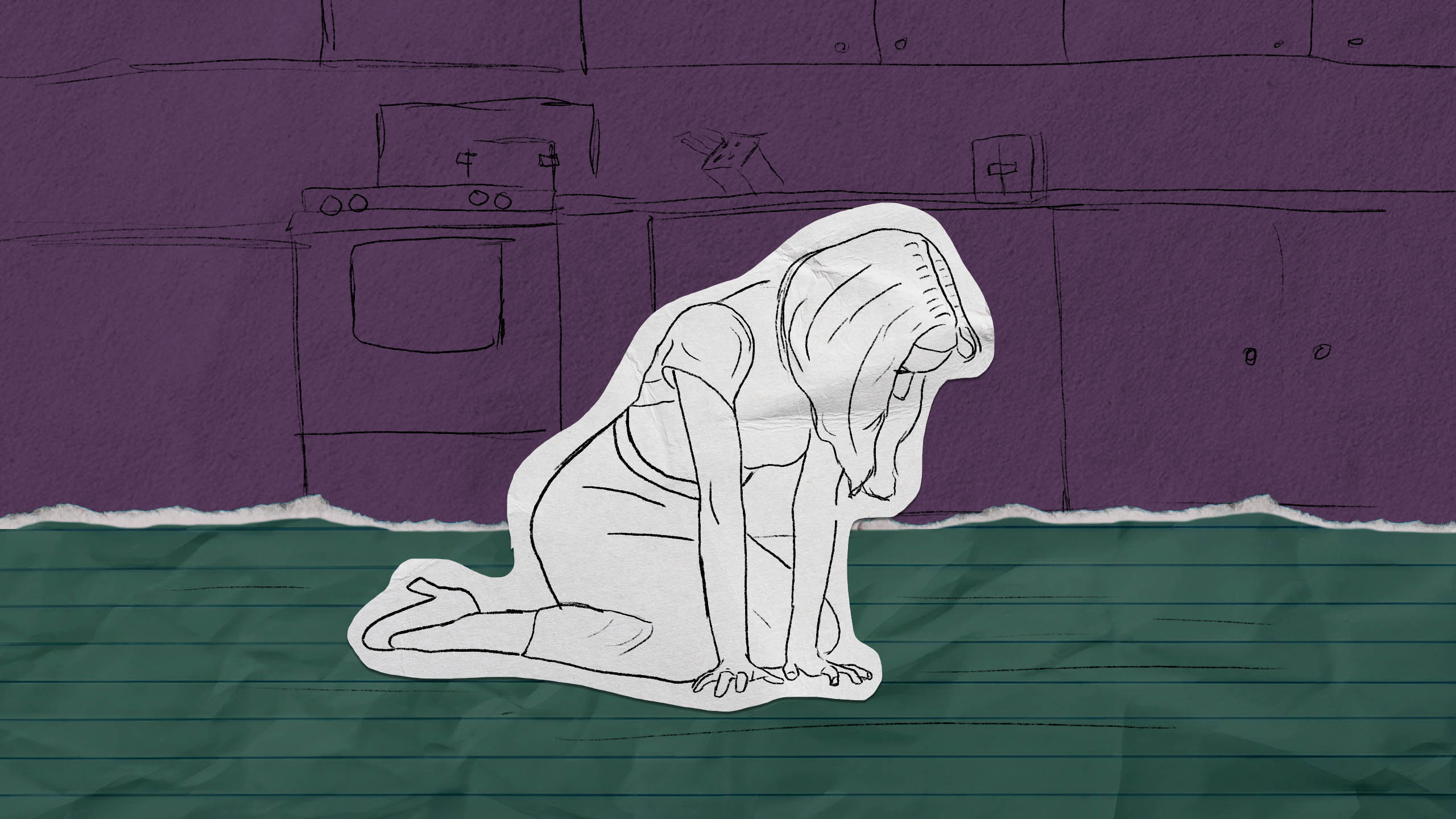
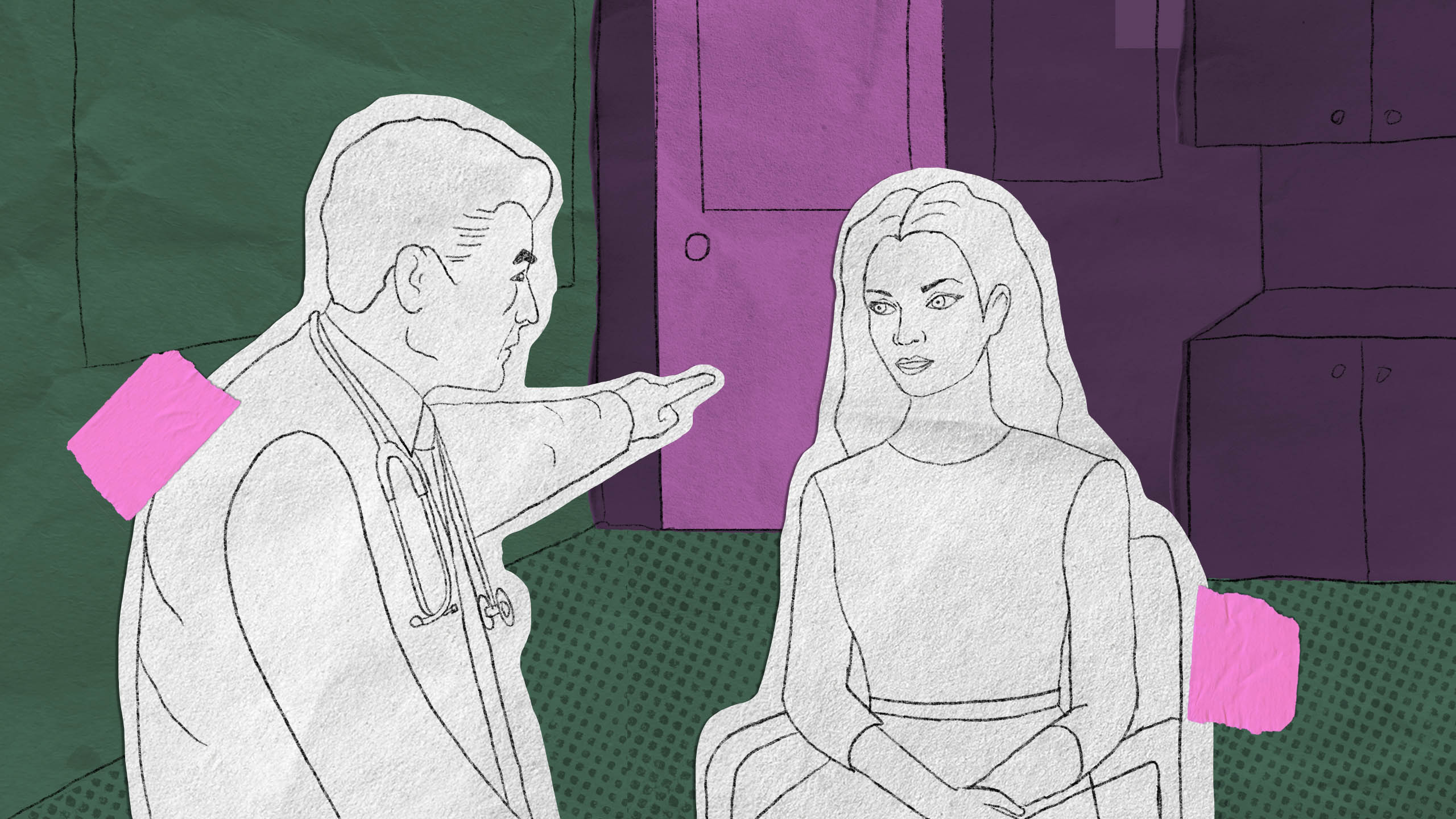
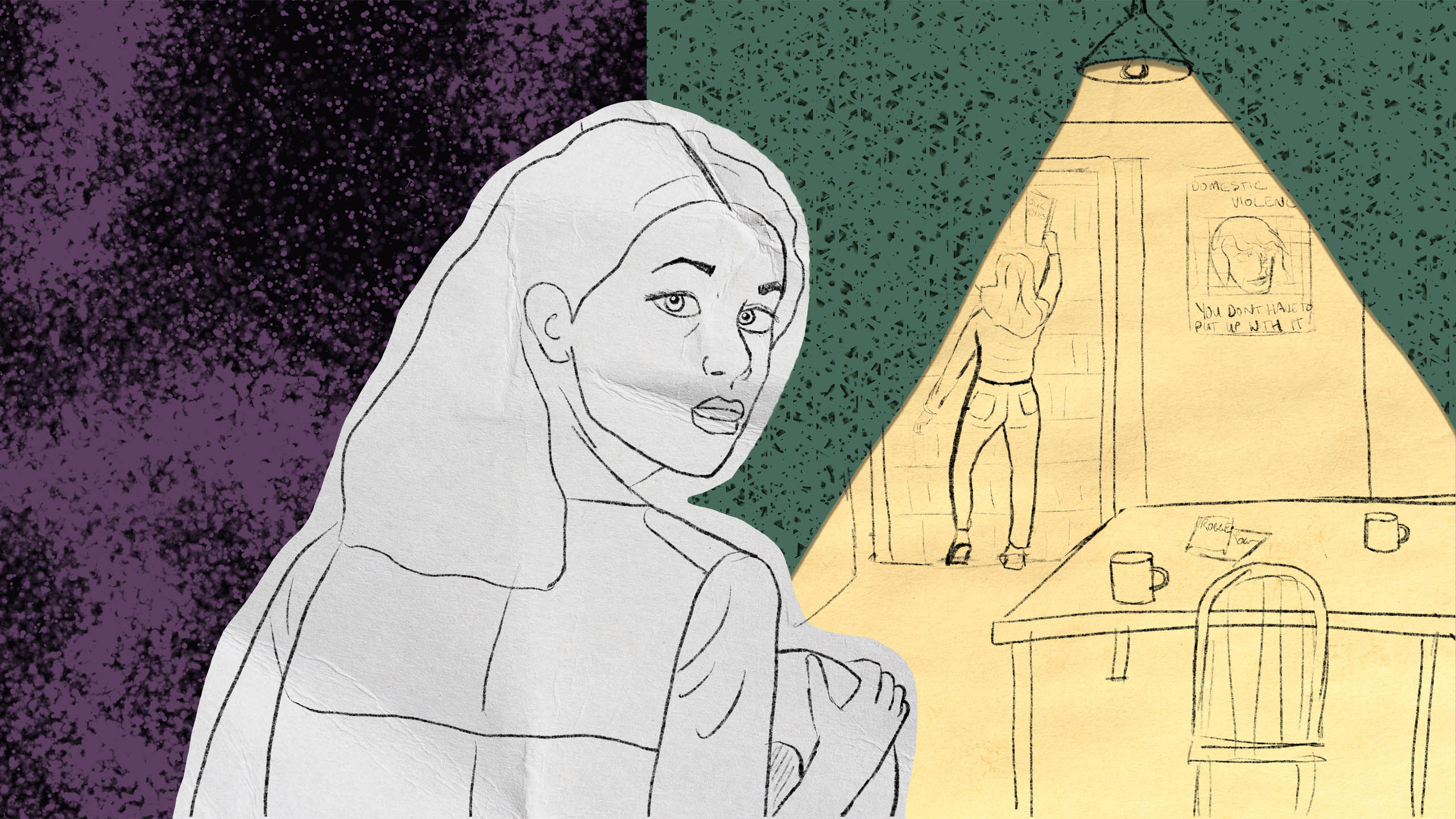
The brief called for comic book-style storytelling to guide visitors through the narrative. My job was to give it a visual language that represented the movement and the women behind it.
The Solution
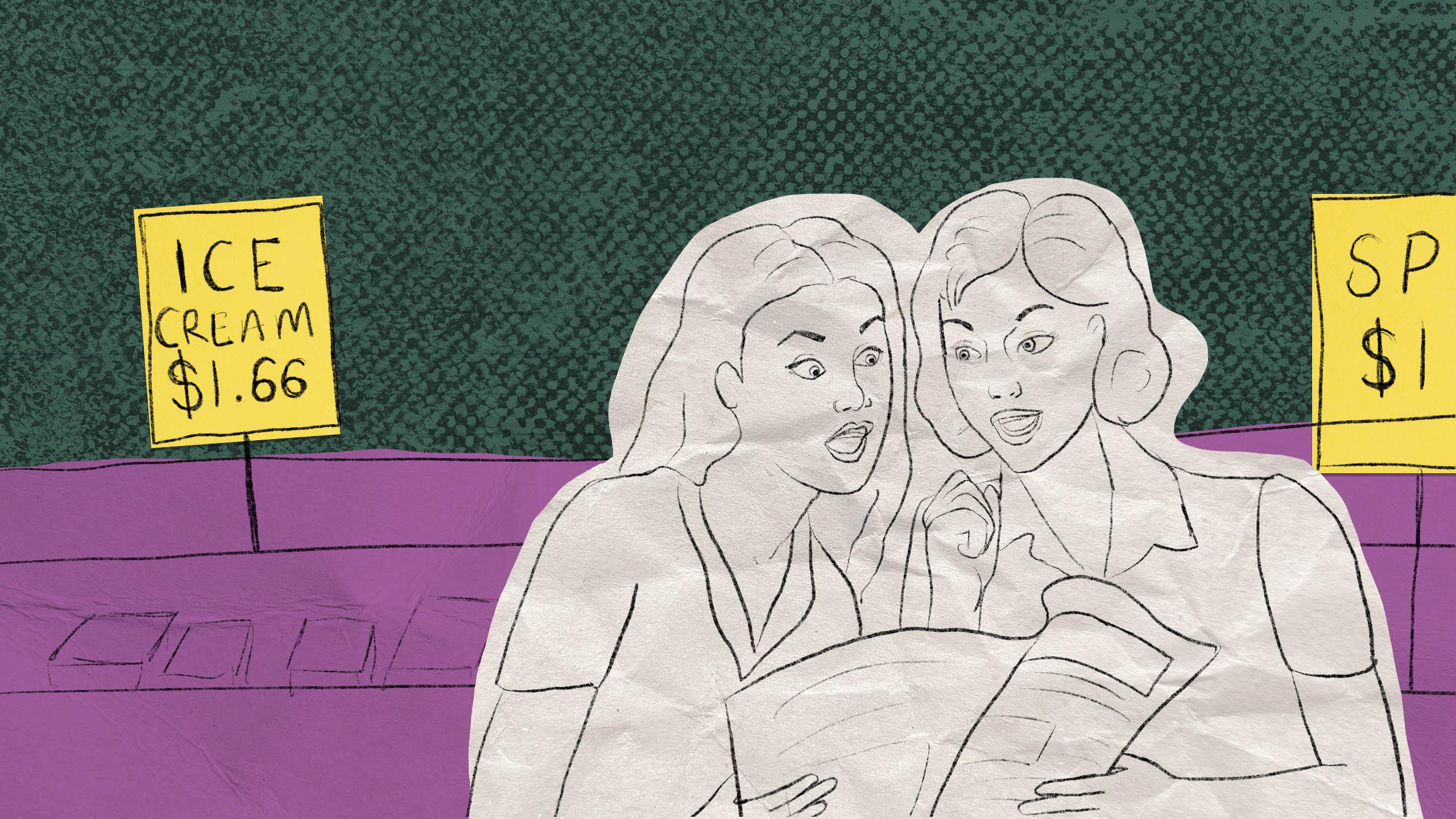
I illustrated the narrative in a style drawn directly from the movement it depicts: the handcrafted, low-fi protest art of 1970s feminism. Sketched illustrations blended with collage, complete with coffee-cup stains, sticky tape and imperfections. The posters, zines and newsletters women produced themselves; urgent, unpolished, made with whatever was on hand.
That style choice reinforced the movement in visual form. Polished, corporate illustration would have sanitised a story that is fundamentally about working outside the institutions. Low-fi says: this was built by ordinary women with determination rather than budget.
The Result
The Incredible Feminist of Wagga Wagga launched online in September 2024, developed by curator Sophie Magnusson in collaboration with Jan Roberts, a founding member of the Wagga Wagga Women's Health Centre.
The exhibition remains live on the Museum of the Riverina's website as part of its ongoing digital program, accessible to anyone, anywhere, at no cost, extending the reach of a regional museum well beyond its two physical sites.
Fifty years on, the women who fought to be heard in Wagga have an exhibition that looks and feels like the movement they built, and a new audience finding it every day.

so get in touch now to secure your animation project.